
No products in the cart.
U.S.-SYNTHESIZED PEPTIDES | ≥99% COA-VERIFIED PURITY | 6× INDEPENDENT TESTING | BATCH-LEVEL TRACEABILITY
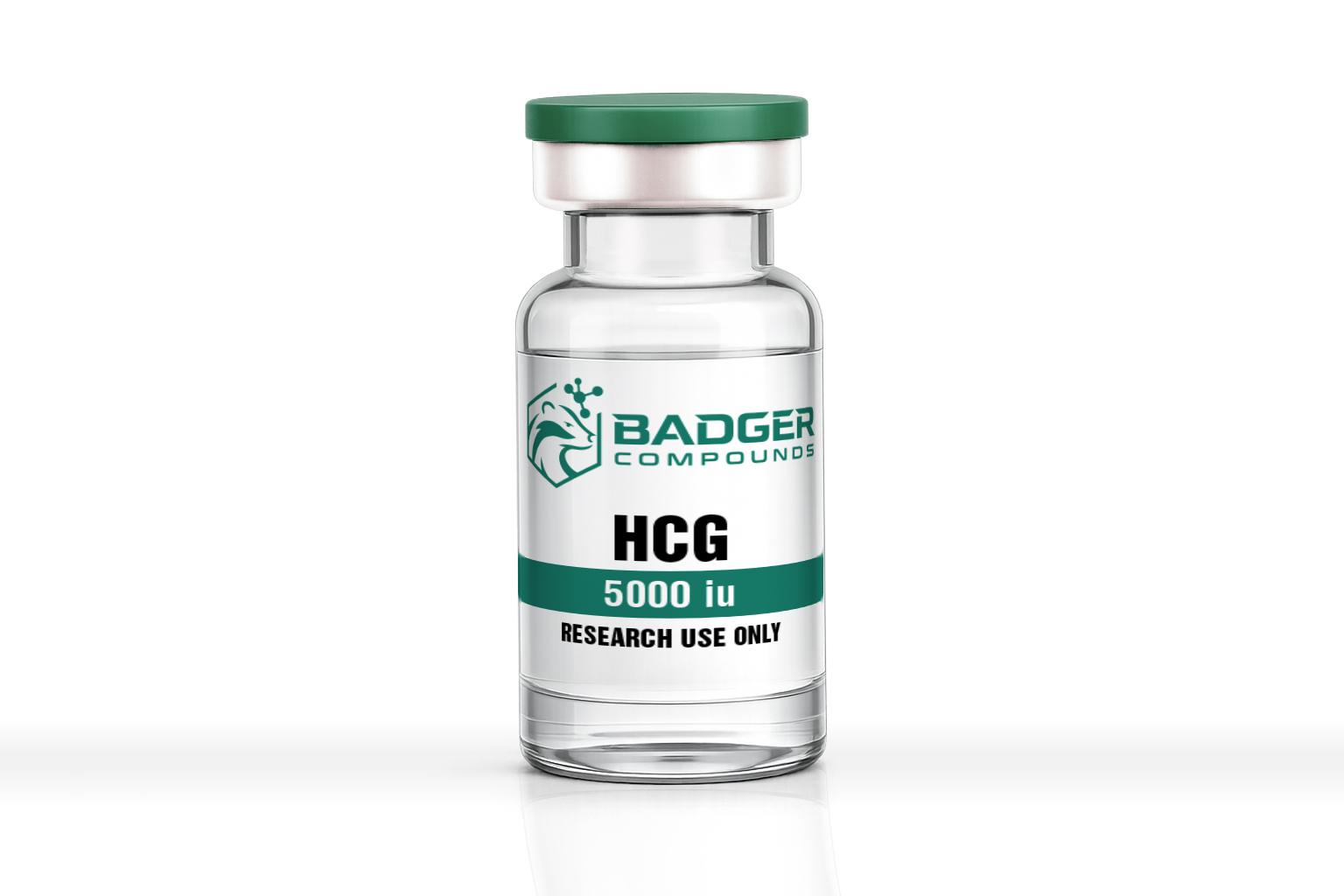
HCG (Human Chorionic Gonadotropin)
This compound is part of our Research Peptides category and is supplied for use in controlled laboratory and in vitro research environments.
For laboratory research use only. Not for human or veterinary use.
Out of stock
✓99%+ Purity Verified
✓6× Third-Party Tested
✓Batch-Level COAs Available
✓cGMP-Compliant Facilities
Categories: Peptides
Description:
HCG is a research compound supplied by Badger Compounds for laboratory use only and is not intended for human or animal consumption.
HCG (Human Chorionic Gonadotropin)
Overview
HCG, or human chorionic gonadotropin, is a glycoprotein hormone supplied by Badger Compounds as a research compound for laboratory use only. It is studied extensively in reproductive endocrinology and gonadal signaling investigations within controlled laboratory settings.
Structurally, HCG is a heterodimeric glycoprotein composed of an alpha subunit, which it shares with several pituitary hormones, and a unique beta subunit that confers its receptor specificity. This composition makes it a valuable reference molecule in glycoprotein hormone research.
Researchers incorporate HCG into cell and tissue models examining receptor activation and downstream endocrine signaling. Its well-documented structure supports reproducible experimental design across laboratories.
Every lot of HCG from Badger Compounds is characterized to a purity of ≥99% (HPLC) and verified by independent third-party analytical testing, supporting consistent and reliable research conditions.
HCG Mechanism of Action (Research Context)
In published research models, HCG binds the luteinizing hormone and chorionic gonadotropin receptor (LHCGR), a G protein-coupled receptor expressed on gonadal cells. Receptor engagement activates intracellular cAMP and protein kinase A signaling.
This signaling cascade is studied for its role in steroidogenesis and gonadal cell function in laboratory systems. Because the beta subunit determines binding specificity, HCG is frequently used as a tool to probe LHCGR activation. All described observations are confined to in vitro and research settings and do not represent clinical outcomes.
Additional Research Considerations
Investigators evaluating this compound often review the broader gonadotropin literature to contextualize their findings. A current overview of relevant publications can be found through the PubMed database, which indexes peer-reviewed studies describing HCG in experimental systems.
Research Applications
- Investigation of LHCGR receptor activation and cAMP signaling in cultured gonadal cells
- Studies of glycoprotein hormone structure and subunit interactions
- Steroidogenesis and reproductive endocrinology models in controlled laboratory environments
- Reference standard work alongside related gonadotropin research compounds
- Method development for analytical detection of glycoprotein hormones
Product Specifications
- Form: Lyophilized powder
- Purity: ≥99% (HPLC)
- Quantity: 5,000 IU per vial (single vial and 10-vial options)
- Molecular Weight: Approximately 36,700 Da
- CAS Number: 9002-61-3
- Type: Heterodimeric glycoprotein hormone
- Solubility: Soluble in bacteriostatic or sterile water for laboratory preparation
- Characterization: Identity and purity confirmed by HPLC and appropriate analytical methods
- Testing: Independent third-party analytical verification
Storage and Handling
Lyophilized HCG should be stored at -20°C and protected from light and moisture. Once reconstituted in a laboratory setting, the solution is best kept refrigerated at 2°C to 8°C and used within a short working window. Handling should follow standard laboratory safety practices, including the use of appropriate personal protective equipment. This material is intended for qualified research personnel only.
Related Research Compounds
Laboratories studying reproductive and endocrine signaling pathways frequently pair HCG with related research peptides such as Kisspeptin-10 and PT-141. Browse the full research peptides catalog for additional compounds.
Frequently Asked Questions
What is HCG?
HCG (human chorionic gonadotropin) is a heterodimeric glycoprotein hormone studied in reproductive endocrinology research. It is supplied strictly as a research compound for laboratory use.
What purity is this HCG?
Each lot is characterized to ≥99% (HPLC) purity and confirmed through independent third-party testing.
How should HCG be stored?
Store the lyophilized powder at -20°C away from light and moisture, and refrigerate any reconstituted solution prepared in the laboratory.
Disclaimer
This product is intended for laboratory and research use only. It is not a drug, food, cosmetic, or dietary supplement, and it is not intended to diagnose, treat, cure, or prevent any disease. It is not for human or veterinary use or consumption in any form. All information provided is for educational and research purposes only and does not constitute medical advice. By purchasing, the buyer confirms they are a qualified researcher or institution and accepts full responsibility for safe handling, use, and disposal in compliance with applicable laws and regulations.
Related Products

GLP-2T (Tirzepatide)
$49.99 – $692.99Price range: $49.99 through $692.99
KPV (Lysine-Proline-Valine)
$38.99 – $330.99Price range: $38.99 through $330.99
AOD-9604
$31.99 – $262.99Price range: $31.99 through $262.99
NAD+
$36.99 – $535.99Price range: $36.99 through $535.99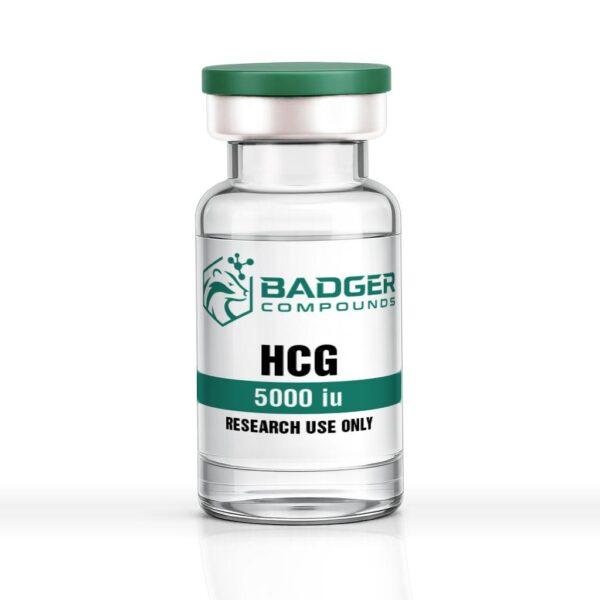 HCG (Human Chorionic Gonadotro...
 Buy now