
No products in the cart.
U.S.-SYNTHESIZED PEPTIDES | ≥99% COA-VERIFIED PURITY | 6× INDEPENDENT TESTING | BATCH-LEVEL TRACEABILITY

SLU-PP-332
This compound is part of our Research Peptides category and is supplied for use in controlled laboratory and in vitro research environments.
For laboratory research use only. Not for human or veterinary use.
Out of stock
✓99%+ Purity Verified
✓6× Third-Party Tested
✓Batch-Level COAs Available
✓cGMP-Compliant Facilities
Description:
SLU-PP-332 Research Compound
Overview
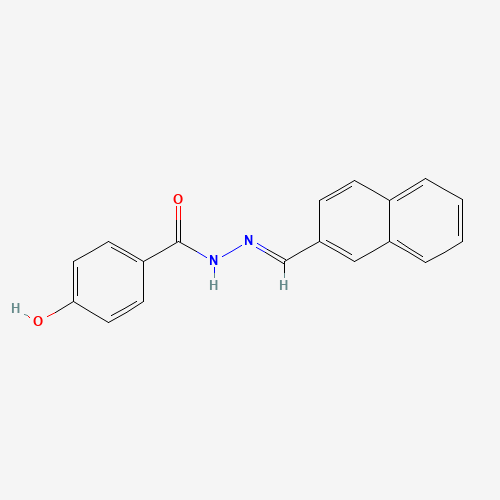
SLU-PP-332 research compound is a synthetic small-molecule compound supplied for controlled laboratory and in vitro research environments. Current slu-pp-332 research focuses on nuclear receptor–associated signaling pathways, transcriptional regulation mechanisms, and metabolic-related molecular processes at the cellular level.
In laboratory settings, SLU-PP-332 is studied for its role in gene-expression modulation, receptor-mediated signaling behavior, and metabolic pathway analysis under controlled experimental conditions. Researchers evaluate how small-molecule compounds influence intracellular signaling cascades, transcriptional activity, and pathway coordination.
SLU-PP-332 research compound is frequently referenced in research literature examining nuclear receptor signaling interactions, transcriptional regulation systems, and metabolic-associated molecular pathways under controlled laboratory conditions.
Additional Research Considerations
Current investigations continue to assess how small-molecule compounds interact within multi-pathway signaling environments, including potential influences on coordinated cellular processes and system-level biological responses in controlled laboratory models.
Research efforts are also focused on understanding how variations in experimental design, concentration, and molecular stability may affect compound behavior across different in vitro systems and analytical frameworks.
Additional scientific literature on SLU-PP-332 and nuclear receptor signaling pathways can be explored through publicly available databases such as
PubMed.
SLU-PP-332 Research Applications
- Nuclear receptor–associated molecular signaling pathway analysis
- Transcriptional regulation and gene-expression pathway investigations
- Metabolic-associated signaling studies in controlled in vitro models
- Structure–function and small-molecule interaction research
- Analytical assay development and compound characterization
Product Specifications
- Quantity: 5 mg vial
- Form: Lyophilized powder
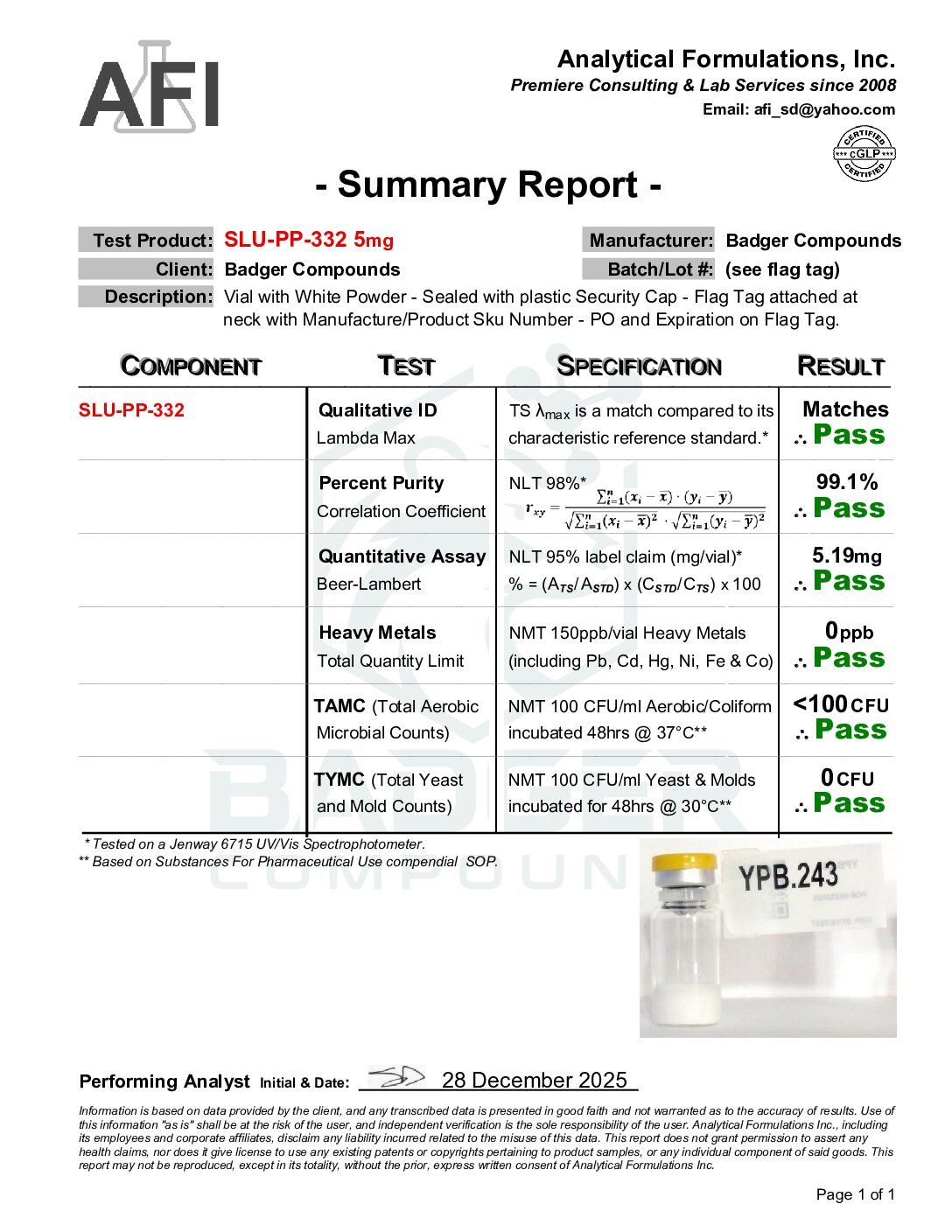
- Purity: ≥99% (HPLC)
- Molecular Weight: 290.32 Da
- Solubility: Soluble in sterile water or compatible aqueous buffers
- Characterization: HPLC, Mass Spectrometry
- CAS Number: 303760-60-3
Storage and Handling
Store at −20 °C (−4 °F) or below. Store in the original vial, sealed and protected from light and moisture until use. Avoid repeated freeze-thaw cycles.
Related Research Compounds
SLU-PP-332 research compound is frequently studied alongside mitochondrial and metabolic-associated compounds in laboratory research environments. Related compounds may include MOTS-c peptide, NAD+ compound, and SS-31 peptide.
This compound is part of our Laboratory Essentials category, which includes research-grade compounds used in controlled experimental environments.
SLU-PP-332 research compound continues to be studied in experimental settings focused on transcriptional regulation, nuclear receptor signaling pathways, and metabolic-associated molecular systems under controlled laboratory conditions.
Frequently Asked Questions
What is SLU-PP-332 used for in research?
SLU-PP-332 is studied in laboratory environments for its interaction with nuclear receptor pathways, transcriptional regulation systems, and metabolic signaling processes.
How is SLU-PP-332 studied?
This compound is examined in controlled in vitro research settings, including gene-expression studies, receptor signaling models, and metabolic pathway analysis.
Is SLU-PP-332 for human use?
No. This product is strictly for research use only and is not intended for human or veterinary use.
Disclaimer, Intended Use & Terms of Sale
All content and information provided are for educational and research reference purposes only. This product and its associated data have not been evaluated by the U.S. Food and Drug Administration, and no claims are made regarding the diagnosis, treatment, cure, or prevention of any disease. No representations or warranties are made regarding safety, effectiveness, or outcomes.
This product is intended strictly for in vitro laboratory research use only and is not for clinical use. It is not approved for human or animal administration and must not be used in food, dietary supplements, pharmaceuticals, cosmetics, or any consumer applications.
By purchasing from Badger Compounds, the buyer affirms that they are a qualified researcher or institution with the appropriate training and facilities to handle research compounds in compliance with all applicable laws and regulations. All sales are final.
Related Products
5-Amino-1MQ
$44.99 – $716.99Price range: $44.99 through $716.99
KPV (Lysine-Proline-Valine)
$38.99 – $330.99Price range: $38.99 through $330.99
Wolverine Blend (TB-500/BPC-157)
$41.99 – $524.99Price range: $41.99 through $524.99
BPC-157
$41.99 – $335.99Price range: $41.99 through $335.99 SLU-PP-332
 Buy now